
Conservation in Tanzania
Protecting Tanzania’s wildlife and landscapes through long-term commitment, not short-term solutions.
CONSERVATION IN TANZANIA
Conservation as a Responsibility
Conservation is fundamental to the future of Tanzania’s protected areas and wildlife. It means supporting efforts that protect ecosystems, maintain ecological balance, and ensure wildlife thrives for generations. This work is not done by tourism alone, it depends on organisations and individuals who commit long-term to the protection of habitat and species.
VALHALLA PROTECTION
Protecting Wildlife and Landscapes
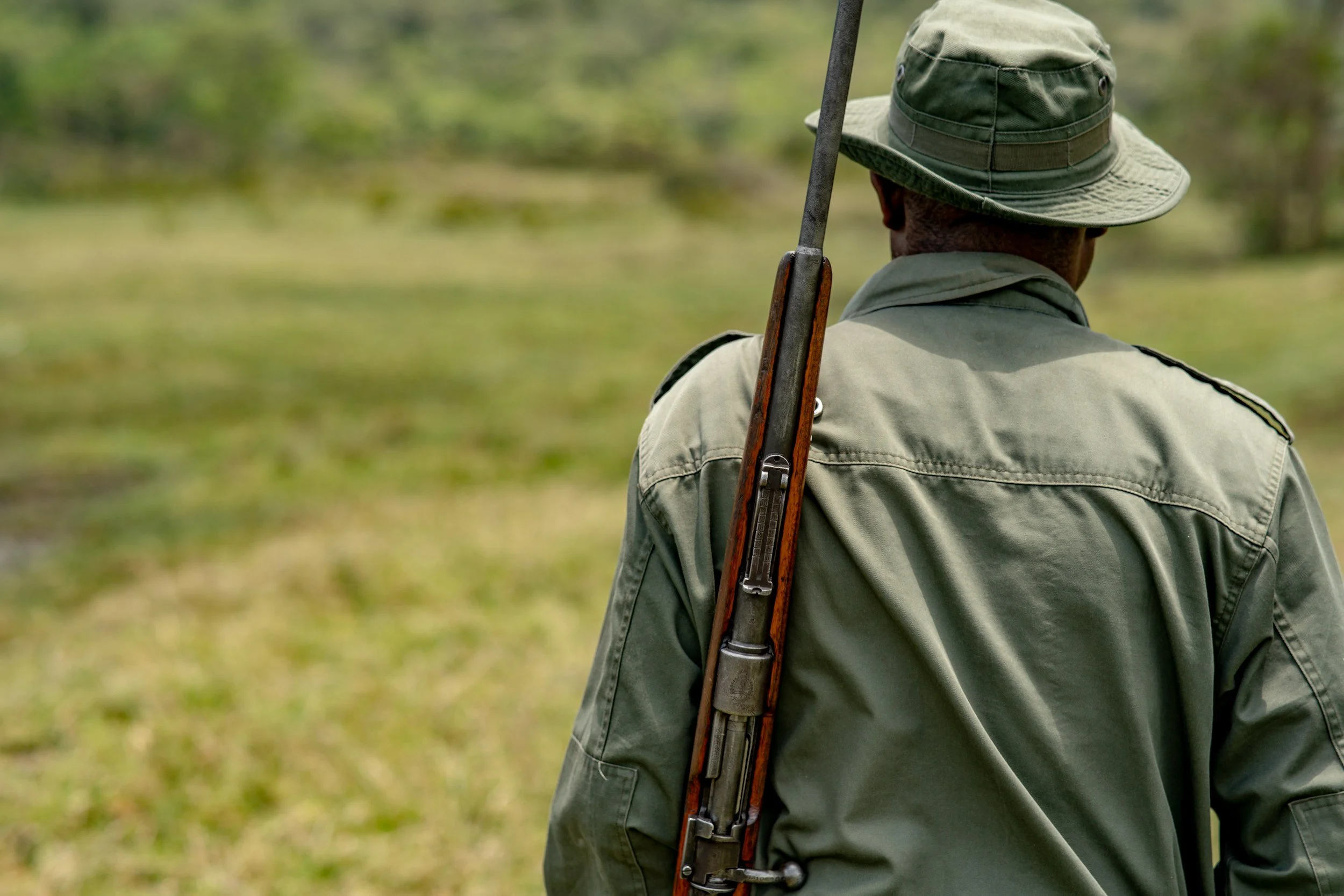
Friends of Serengeti Switzerland (FSS) is a nonprofit dedicated to safeguarding wildlife, national parks, and natural corridors in and around Tanzania’s iconic ecosystems. For decades, FSS has supported conservation through equipment donations, patrol support, and collaboration with park authorities to strengthen protection efforts across vast landscapes. Their work helps rangers maintain surveillance, respond to threats, and protect wildlife populations.
VALHALLA INFLUENCE
Friends of Serengeti
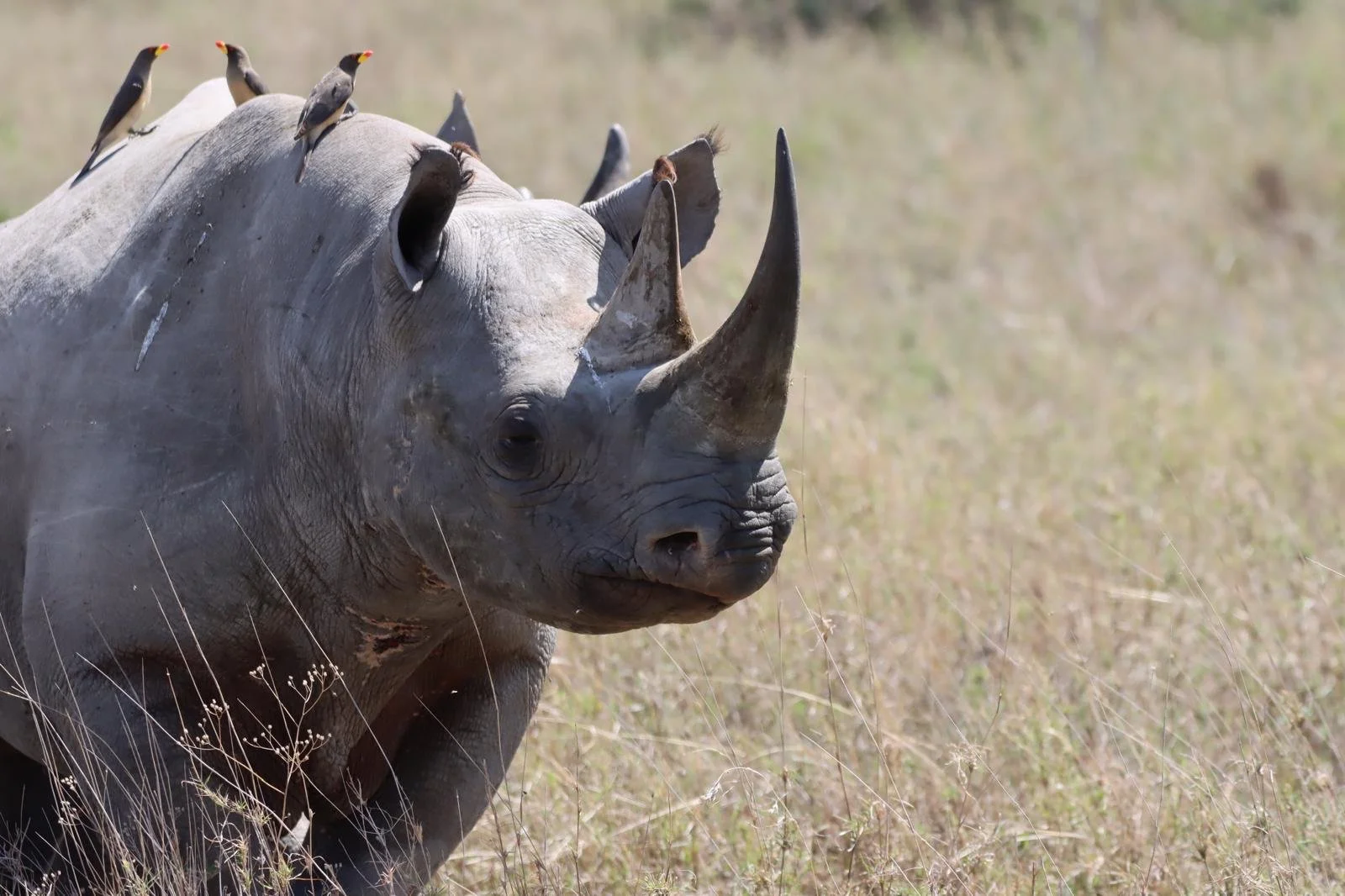
Founded in 1984, Friends of Serengeti Switzerland (FSS) works to defend and preserve Tanzania’s most fragile environments, from the Serengeti plains to surrounding reserves and wildlife corridors. FSS partners with local authorities and conservation organisations to support wildlife protection, ecosystem care, and community engagement.
The organisation’s efforts extend beyond advocacy; practical support includes donating patrol equipment, fuel, tents, and gear that help rangers operate in remote areas. These contributions strengthen on-the-ground conservation capacity and enhance the effectiveness of protected area management.
PROTECTING TANZANIAN WILDLIFE
Responsibility and Conservation on Safari
Responsible safari practices are part of the solution, not the problem. Ethical travel in Tanzania means minimising environmental impact, respecting natural wildlife behaviour, and actively supporting conservation on the ground. When safaris are designed with care, they become a powerful force for protecting ecosystems, sustaining local communities, and preserving the landscapes that make Tanzania one of the world’s most important wildlife regions.
But conservation requires more than good intentions. Effective conservation in Tanzania depends on coordination, resources, and long-term commitment.
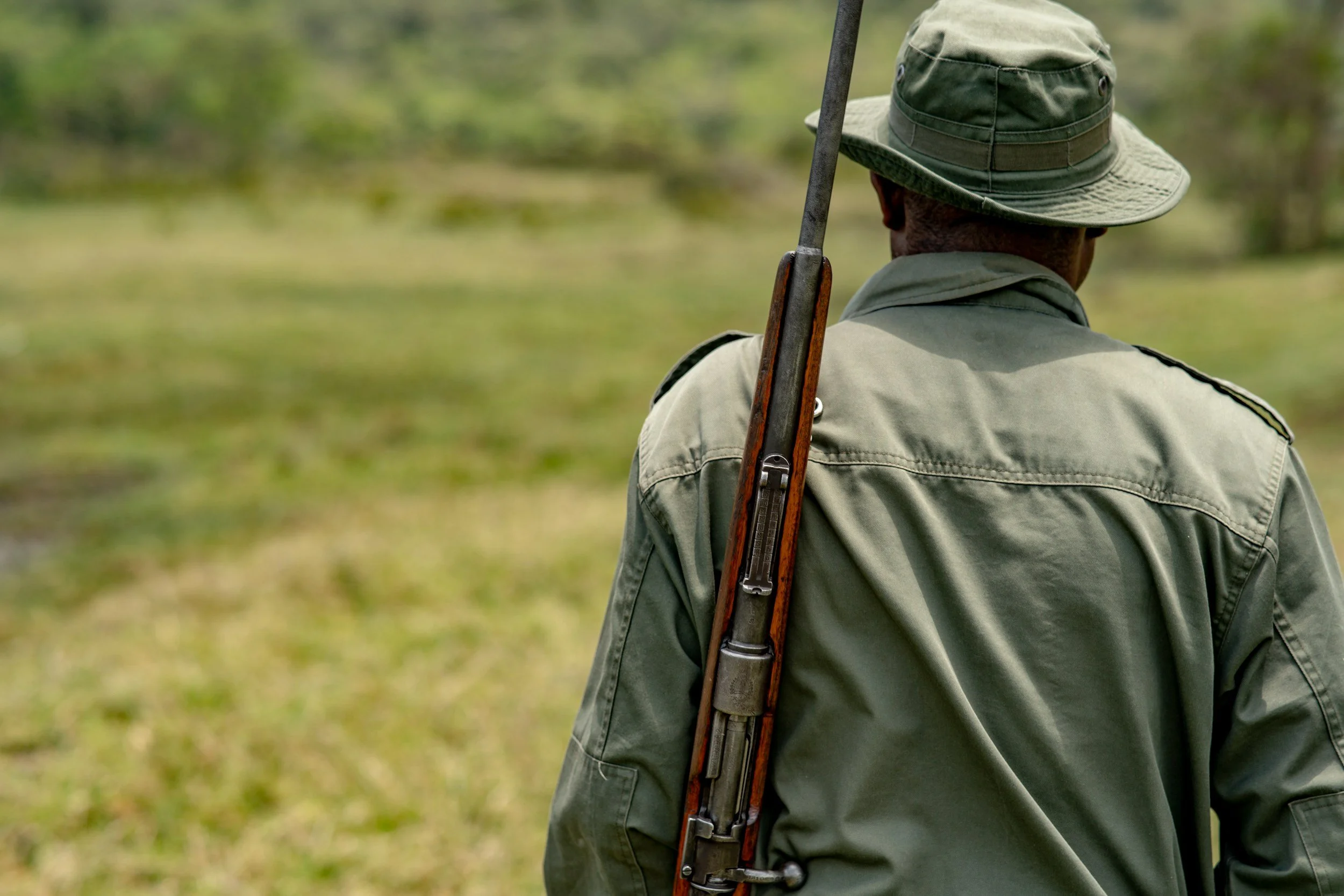
Through Friends of Serengeti, these principles are put into practice by working closely with park authorities and conservation partners to support patrol operations, wildlife monitoring, and habitat protection. These efforts directly strengthen the people responsible for safeguarding national parks and help maintain the integrity of critical ecosystems such as the Serengeti, Ngorongoro, and surrounding protected areas.
By choosing safari experiences that prioritise responsibility, respect, and conservation outcomes, travellers contribute to a model of tourism that supports wildlife protection, community involvement, and the long-term sustainability of Tanzania’s wilderness. This is conservation not as a concept, but as a shared responsibility, one that ensures these landscapes remain wild for generations to come.
VALHALLA SAFARIS
Let’s Build Your Perfect Safari
Get in touch for honest advice, personalised recommendations, and a custom Tanzania safari itinerary — with no obligation.